The Mosaico Project and local associations in Las Hurdes are joining forces to promote the region’s development
The University of Extremadura and local associations met in Pinofranqueado to promote projects that combine job creation with fire prevention.
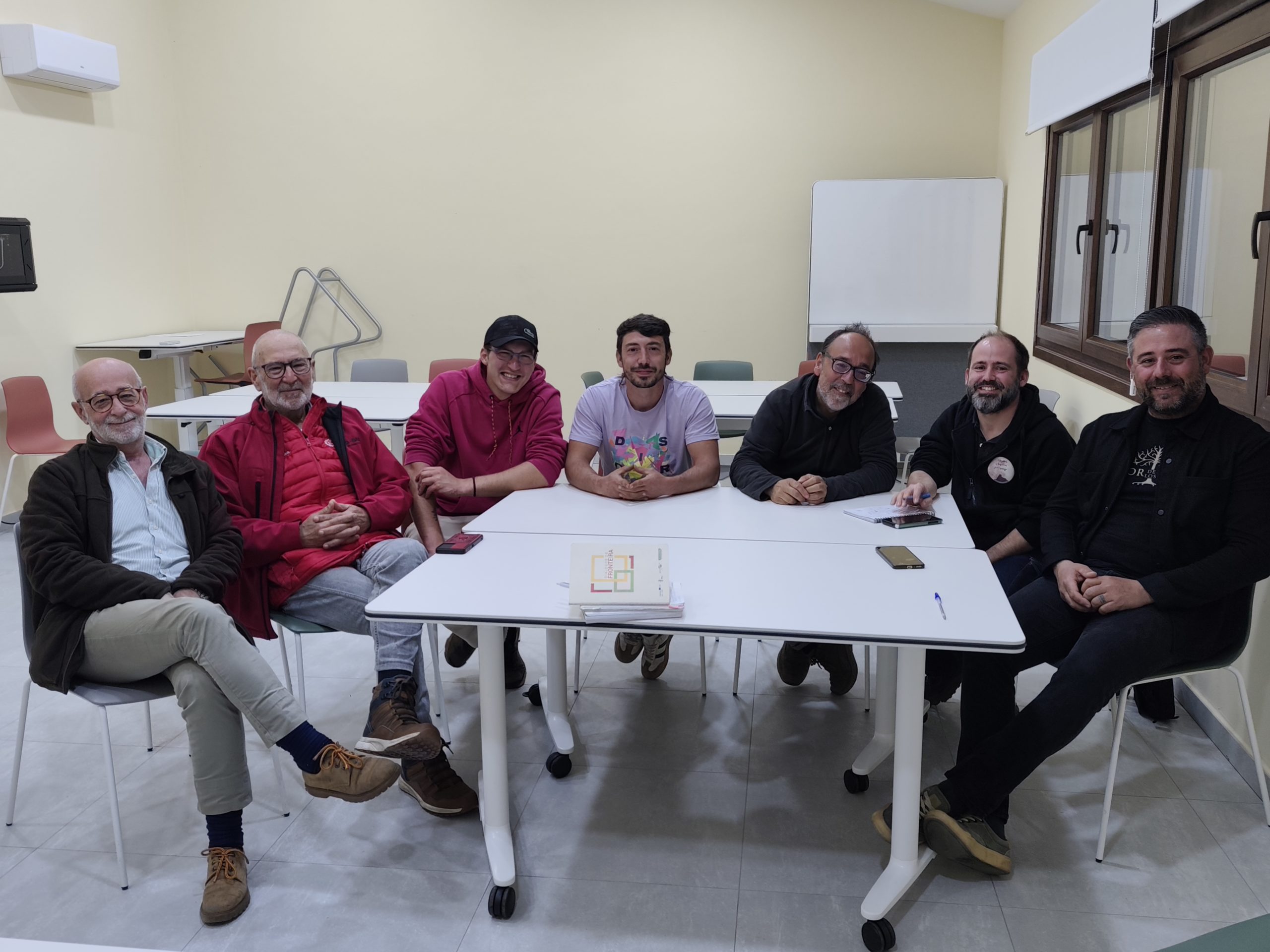
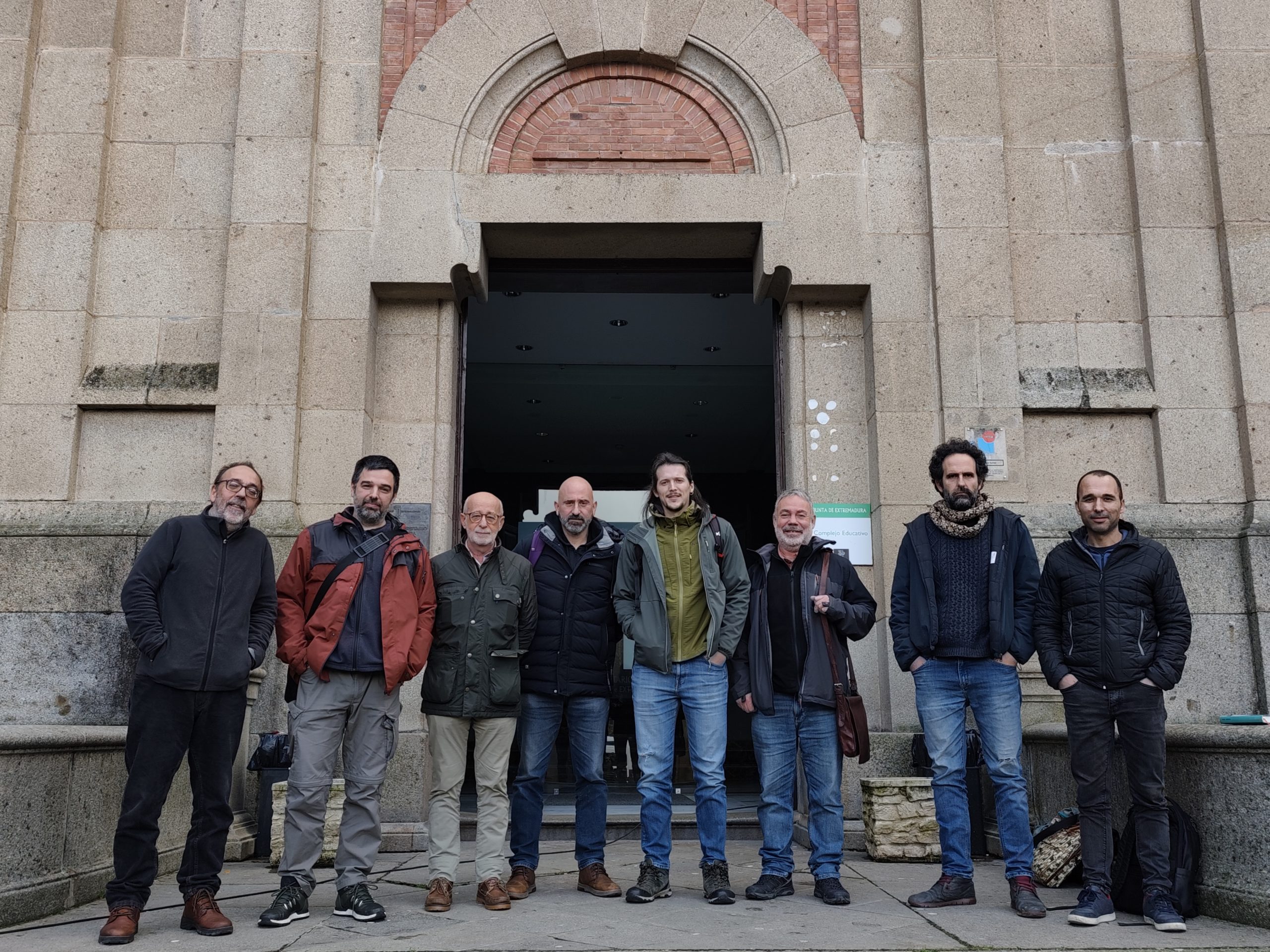
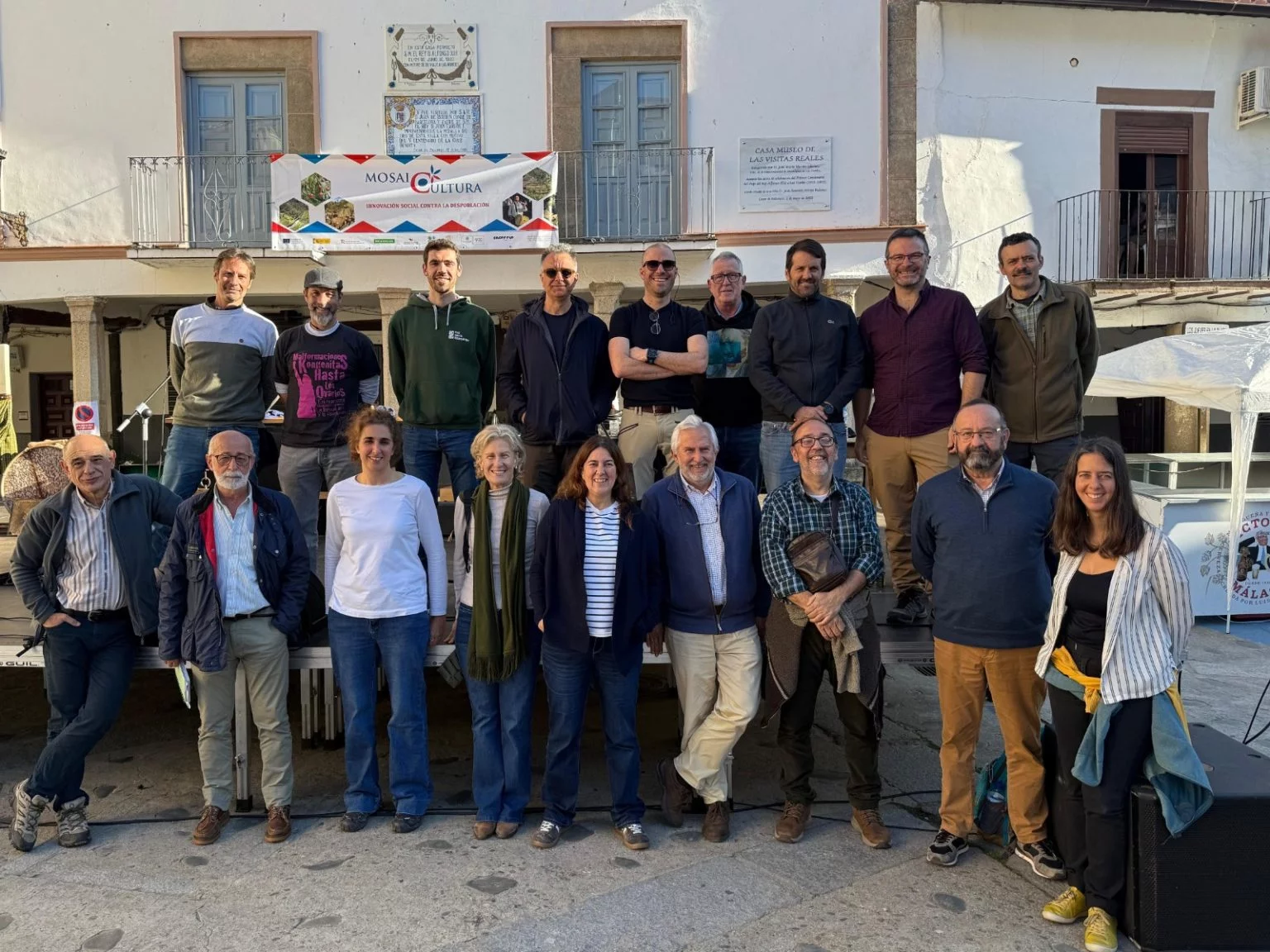
On 11 March, Pinofranqueado Town Council hosted a working meeting between the RESIST and MOSAICO Projects team from the University of Extremadura and some social and cultural organisations from Las Hurdes. The main objective was to share initiatives already underway in the region and explore new avenues of collaboration to strengthen the region in the face of future challenges.
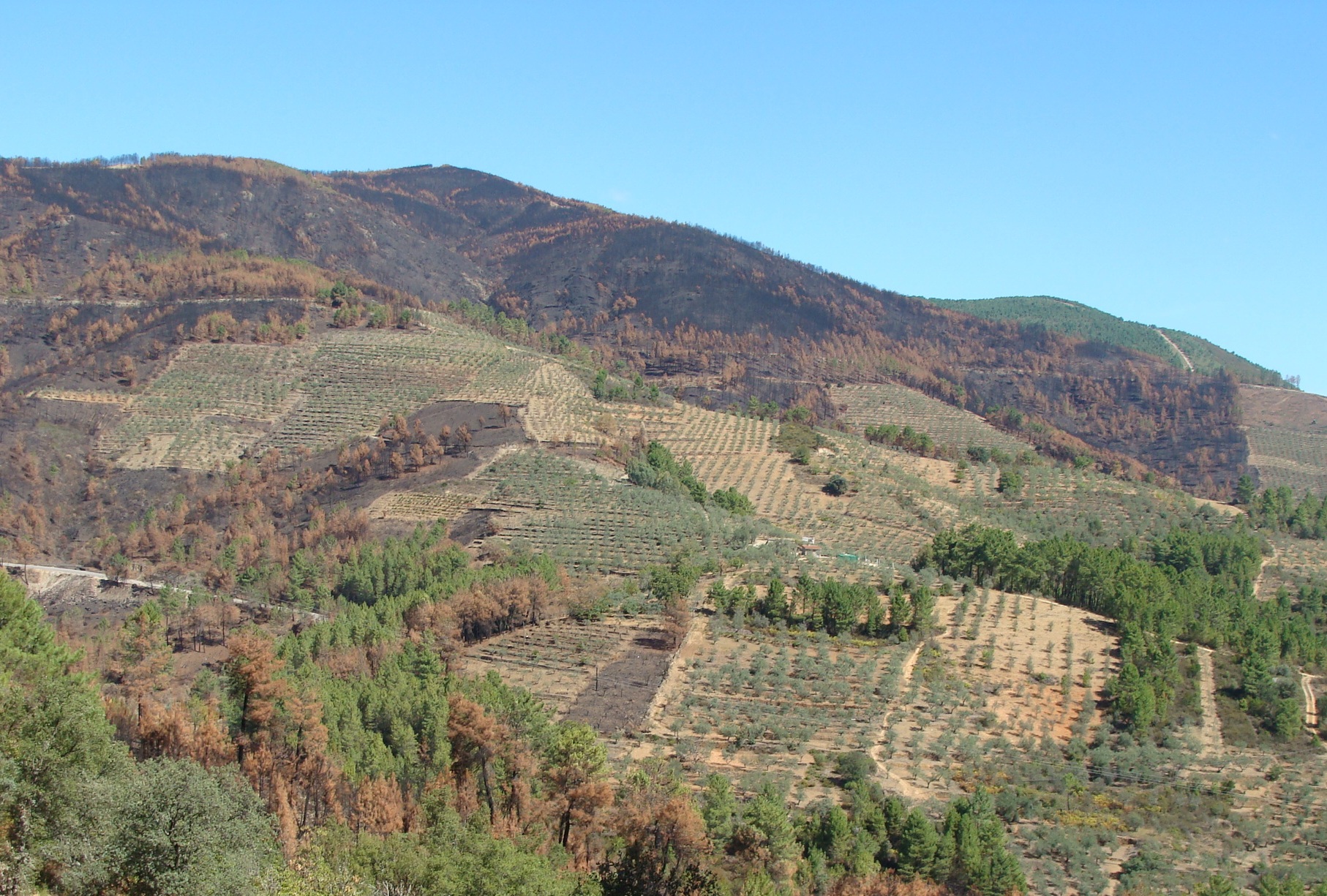
During the session, participants carried out a joint assessment of the relationship between the abandonment of rural areas and the increased risk of wildfires. In this regard, it was highlighted that one of the most effective prevention strategies is to maintain a vibrant region, where job creation helps to retain the population and care for the landscape.
Among the proposals put forward, the importance of supporting the livestock sector was highlighted, encouraging grazing to act as a natural tool for land management and the reduction of forest fuel. Ideas were also proposed to reclaim currently abandoned land and promote training for landowners to facilitate the preventive and sustainable management of their plots.
The participating associations also highlighted some of the difficulties they face in developing their projects, such as bureaucratic complexity, a lack of information on available grants and legal uncertainties regarding land use. To help overcome these barriers, the University of Extremadura proposed strengthening collaboration with this sector through technical advice on project preparation, support in finding funding and greater promotion of local initiatives.
The meeting concluded with a commitment to continue working in a coordinated manner, as this type of collaboration is key to promoting the sustainable development of Las Hurdes and reducing its vulnerability to forest fires. As next steps, specific meetings are planned with each association to explore their needs in greater depth and identify possible areas of support.