How we work
Mosaico
The MOSAICO emerged after a large wildfire (Acebo, 2015) in Sierra de Gata (Extremadura, Spain). This fire was a turning point for the local community, sparking a social movement aimed at promoting the recovery of traditional land uses to achieve a mosaic landscape more resilient to increasingly frequent fires.
This example, a key illustration of our method in Gata-Hurdes, materialized with the signing of an agreement between the University of Extremadura and the regional administration (Mosaico), with the primary goal of reducing fire risk through sustainable rural development.
Methodology
PHASE I. Assessment of Wildfire Risk in the Territory
1. Characterization of the territory (topography, climatology, resources, etc.)
2. Study and diagnosis of the current situation of the territory in the face of Large Wildfires
PHASE II. Proactive Strategic Planning of the Territory (active prevention)
1. Identification and design of Strategic Management Zones (SMZ) – Simulation and expert criteria.
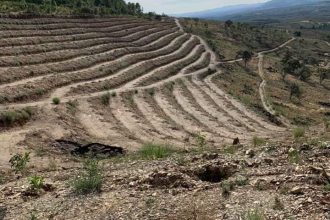
2. Identification and design of strategic productive fuelbreaks (SPF) - Simulation and traditional land uses.
3. Identification of Productive Preventive Areas (PPA) – Private and public proposals.
PHASE III. Execution, Maintenance, and Transformation of the Product
1. Governance Plan
2. Commitment to Maintenance (Useful life of the Actions)
3. Profitability Improvement Program: Cooperativism and Business Associationism.
PHASE IV. Evaluation and Monitoring
1. Data Collection
2. Scientific Production
3. Capitalisation of Experiences
4. Reporting of Lessons Learned
PHASE V. Dissemination
1. Results of Scientific Research
2. Exchange Programs
3. Conferences and Workshops
4. Activities and Workshops
5. Best Practices and Methodological Manuals
6. Website
7. Cultural Events
Stakeholders
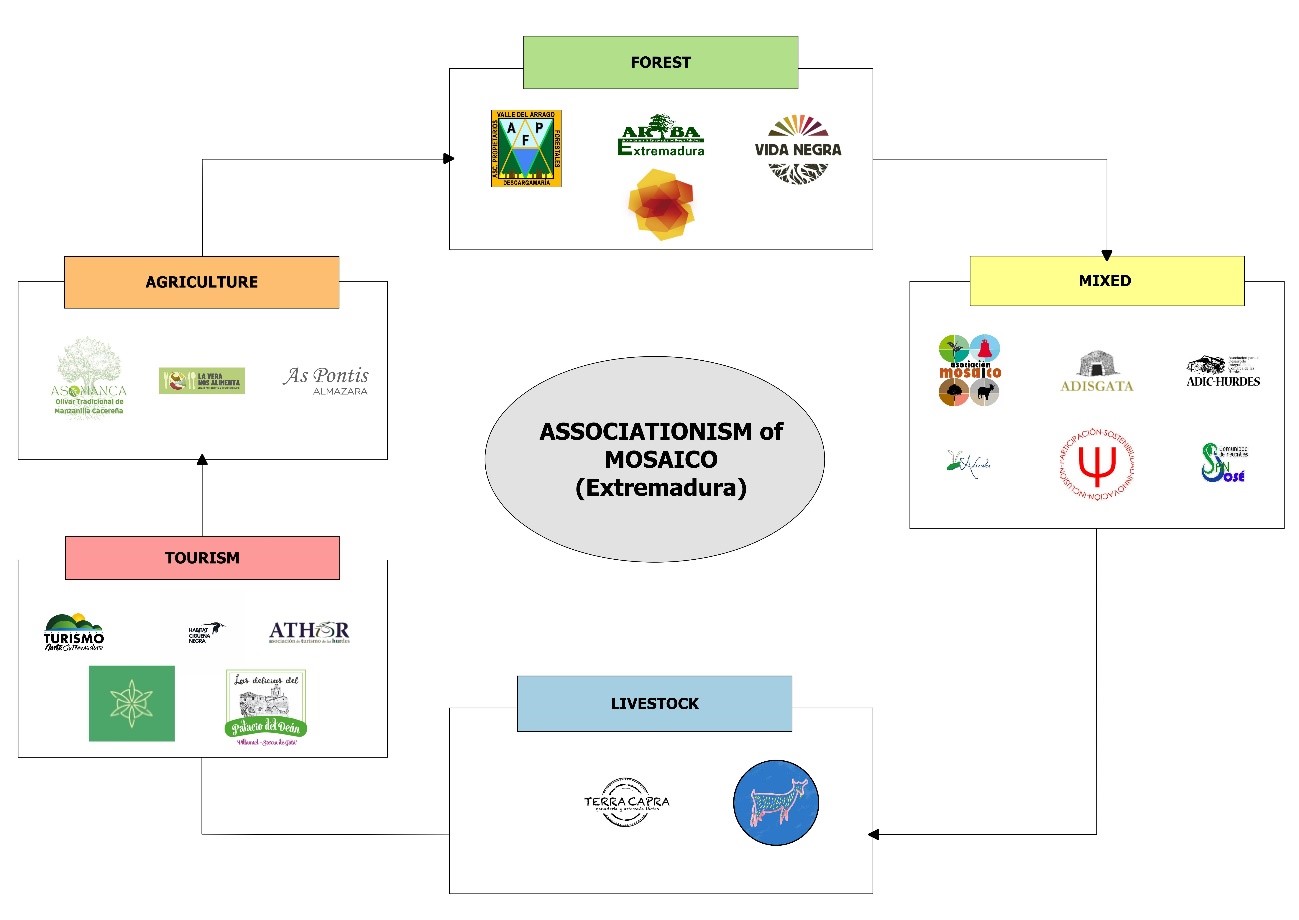
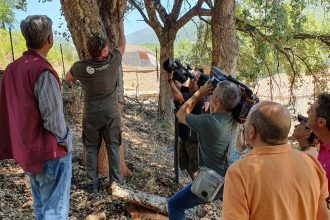
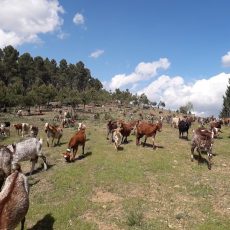
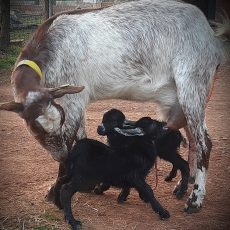
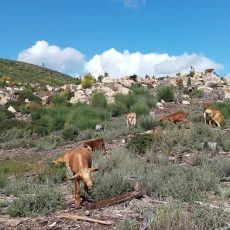
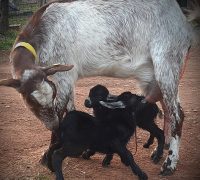
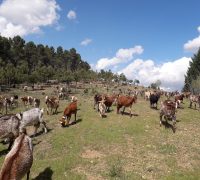
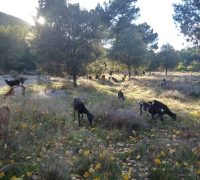
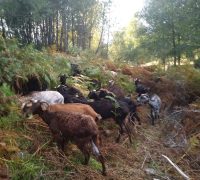
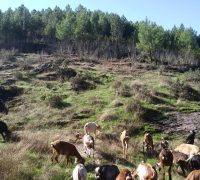
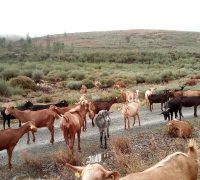
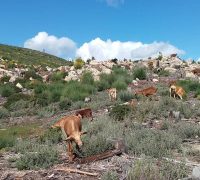
Agriculture, extensive livestock farming, forest management, preventive silviculture, and prescribed burns are some of the activities carried out by our stakeholders to create agroforestry mosaics in the territory.
See the example of Stakeholders in Extremadura: Sierra de Gata and Las Hurdes.
Milestones
MOSAICO’s influence goes beyond mere forest management. We aim for a more ambitious and multifocal vision with missions oriented towards transforming different fields through innovation:
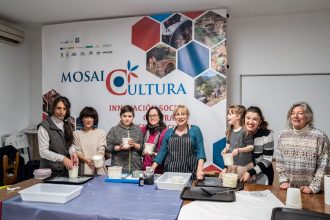
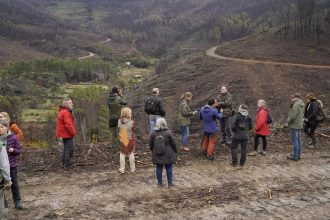
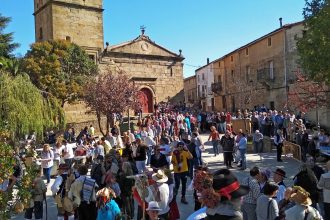
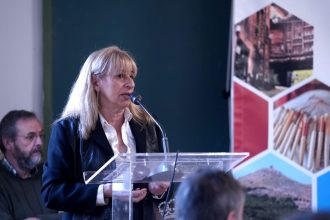
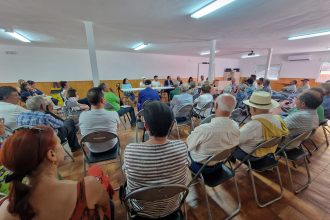
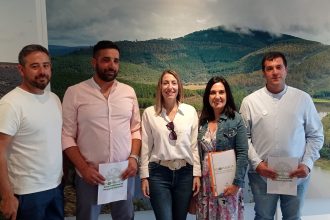
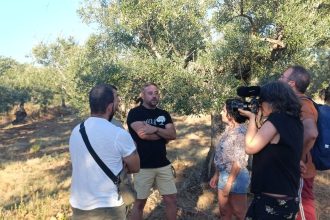
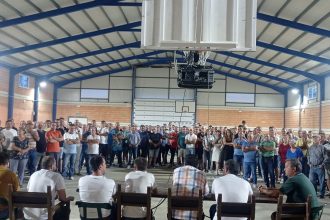
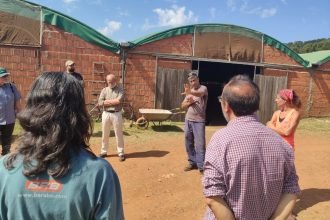
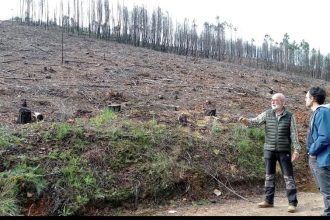
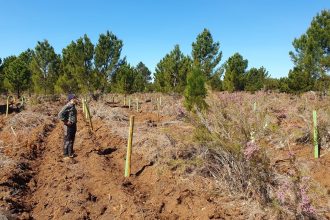
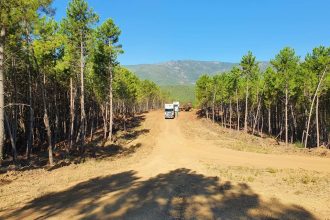
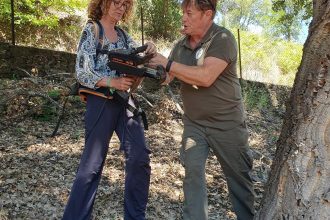
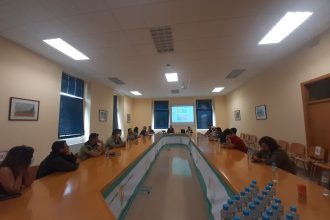
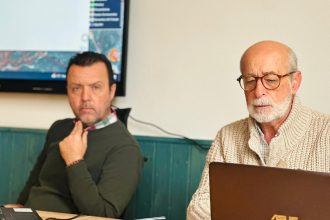
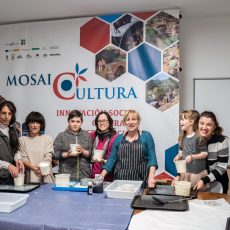
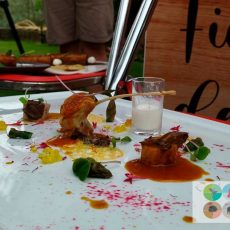
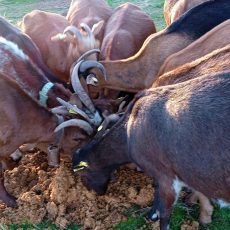
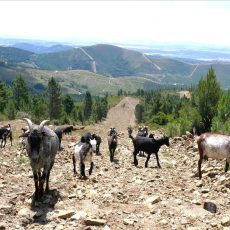
Environment
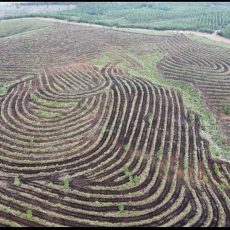
Mosaic performances; Explanatory maps.
*Click on each section for more information.
Products
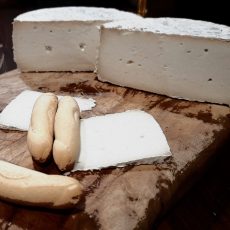
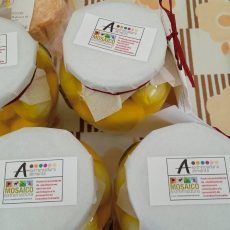
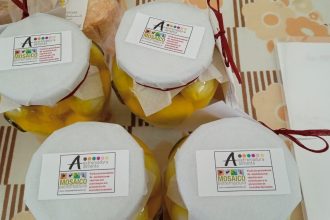
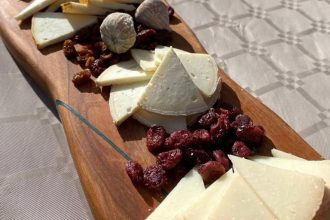
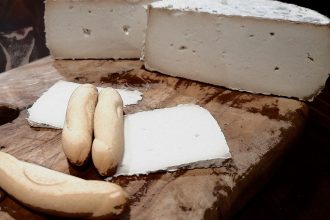
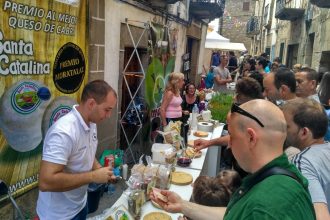
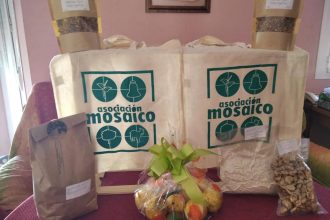
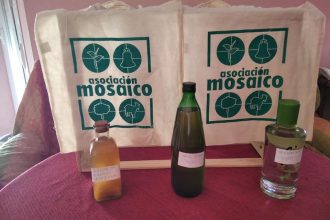
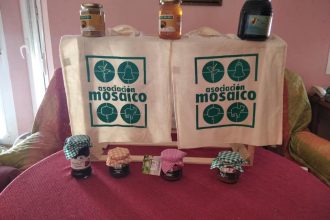
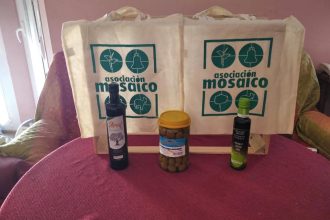
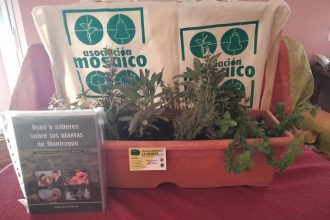
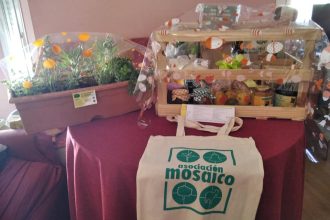
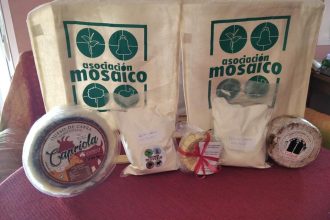
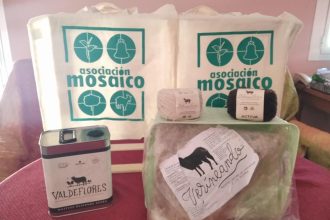
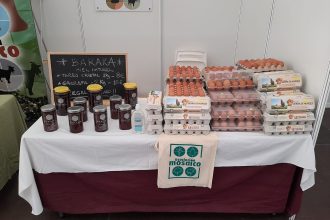
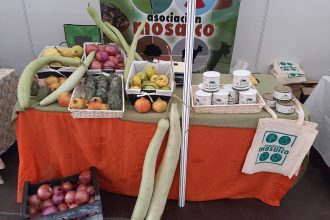
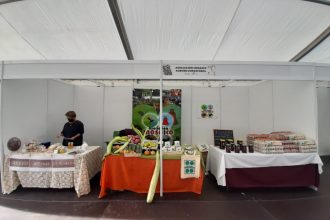
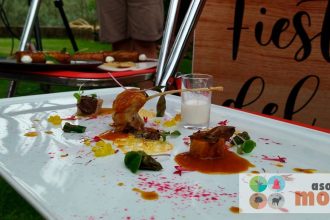
At MOSAICO, we consider the transformation of forest products essential to ensure profitability for producers and the long-term maintenance of measures and actions that protect the landscape from wildfires.
Include product list:
- Cheese
- Organic milk
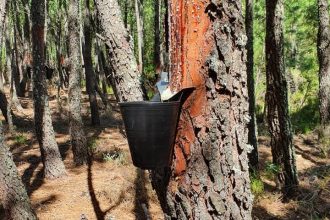
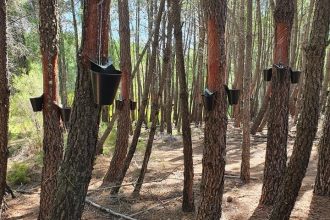
- Resin
- Aromatic plants: essential oils
- Chestnuts
- Cherries
- Cork
- Goat meat
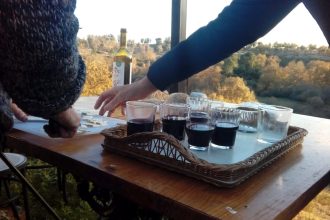
PRODUCTS
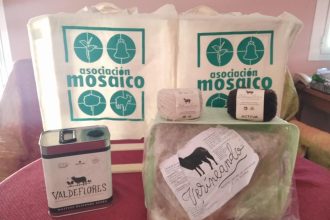
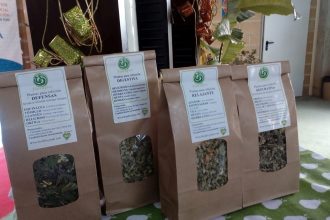
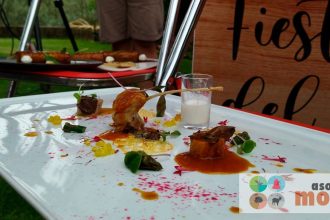
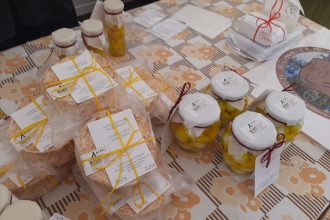

PRODUCERS & ENTITIES
MOSAICO Territories
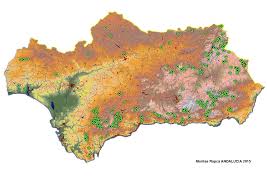
There is a growing number of territories that share the philosophy and vision of a holistic approach to land management and planning in their fight against the effects of large wildfires. Here are some examples:
Network of Mosaico Territories
The Mosaic Territories Network is a collaborative alliance created with a common goal: to strengthen the culture of prevention of large forest fires through the exchange of experiences and knowledge, communication with society, and the development of joint proposals that influence public policies on conservation and land management.
The network’s work focuses on demonstrating and promoting ‘Fire Smart Landscapes’. These are based on a combination of indirect prevention measures (through forestry, agricultural and livestock practices carried out by local actors) and direct prevention measures (fuel management by the agencies responsible for firefighting). To this end, the network brings together various entities, projects and associations committed to integrated landscape management in order to build more resilient, vital and fire-safe territories.
The basis of this approach is the Mosaic Landscape: a heterogeneous territory where crops, pastures, orchards and forest areas coexist. Each of these elements acts as a natural productive firebreak that prevents the spread of fire and facilitates its control.
The collaboration actively promotes agro-forestry-livestock activities, recognised as a fundamental strategy for reducing the vulnerability of the territory. When planned and adapted to each social and ecological context, they reduce fuel continuity, reinforce biodiversity and make landscapes more habitable, productive and fire-safe.